
Equine Veterinarian: Education Path, Career Path, Skills, Jobs
An equine veterinarian is a specialized veterinary professional dedicated to the health, performance, and welfare of horses. This article is about the equine veterinarian — what the role involves, the education required, the career paths available, and the skills needed to succeed in this demanding and rewarding field.
For students who are passionate about horses and considering veterinary medicine, understanding this specialization is an important first step. Equine veterinary work combines advanced medical knowledge with hands-on clinical practice, physical endurance, and close collaboration with horse owners, trainers, and breeders. If you’re exploring whether this path could be right for you, this guide will help you see what the journey truly looks like.
What Is an Equine Veterinarian?
An equine veterinarian is a licensed veterinary doctor who specializes in the medical care, prevention, diagnosis, and treatment of horses. Unlike small-animal veterinarians who primarily treat pets, equine veterinarians focus exclusively on horses, working in environments such as farms, stables, training facilities, and equestrian events. Their role requires strong clinical expertise, physical resilience, and a deep understanding of equine anatomy and behavior.
Primary Responsibilities of an Equine Veterinarian
Equine veterinarians provide a wide range of medical services tailored specifically to horses. These responsibilities often include:
- Performing physical examinations and lameness evaluations
- Diagnosing illnesses and injuries
- Administering vaccinations and preventive treatments
- Conducting imaging procedures such as ultrasound and X-rays
- Performing minor surgical procedures or referring complex cases
Because horses are large and powerful animals, examinations often take place in field settings rather than traditional clinic environments.
Where Do Equine Veterinarians Work?
Most equine veterinarians work in mobile practices, traveling between farms and equestrian facilities. Others are based in specialized equine hospitals equipped with advanced surgical and diagnostic equipment. Work settings may include:
- Private horse farms
- Racing stables
- Equestrian sport centers
- Breeding operations
- Equine referral hospitals
This makes the profession dynamic and varied, often involving outdoor work and direct collaboration with owners and trainers.
How Equine Veterinary Care Differs from Small Animal Practice
Equine veterinary medicine differs significantly from companion animal practice. Horses require specialized handling, sedation techniques, and diagnostic approaches. Treatment plans often consider not only the horse’s health but also performance factors, breeding value, and long-term athletic capacity. As a result, equine veterinarians must balance medical precision with practical decision-making in real-world settings.
Understanding these core aspects helps students determine whether working specifically with horses aligns with their interests, physical capabilities, and long-term career vision.
Equine Veterinarian Education Path
Becoming an equine veterinarian requires completing a full veterinary medicine degree followed by focused clinical experience with horses. There is no shortcut to this specialization. The path is academically demanding, but for students passionate about equine health, it offers a clear and structured journey.
Step 1: Complete a Veterinary Medicine Degree
The first and most essential step is earning a Doctor of Veterinary Medicine (DVM) or equivalent degree. Veterinary programs typically last five to six years in Europe and four years post-undergraduate in some other systems. During this time, students study core subjects such as anatomy, physiology, pathology, pharmacology, and clinical diagnostics.
To prepare for admission, students must build strong foundations in:
- Biology
- Chemistry
- Scientific English
- Analytical and problem-solving skills
Admission to veterinary programs is competitive, so early preparation is critical.
Step 2: Gain Equine-Focused Clinical Experience
While studying veterinary medicine, students interested in becoming equine veterinarians should actively seek equine clinical rotations and internships. Many universities offer specialized equine modules, practical placements at horse clinics, and summer training opportunities.
Hands-on exposure is essential because equine medicine requires:
- Confidence working with large animals
- Understanding of equine-specific diseases
- Practical field diagnostic skills
The more experience students gain during university, the stronger their position for equine-focused roles after graduation.
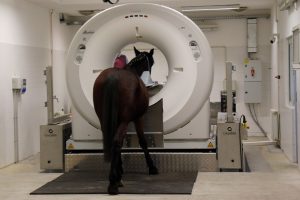
UVMB has a rare equipemet, Ullo campus has one of the 5 existing CT device of the Word.
Step 3: Optional Specialization and Advanced Training
After earning a veterinary degree, some graduates pursue further specialization in equine medicine through internships, residencies, or certification programs. These advanced pathways allow vets to focus on areas such as:
- Equine surgery
- Sports medicine
- Reproductive medicine
- Diagnostic imaging
Although not mandatory, additional training can enhance expertise, credibility, and career progression.
For students who are certain about working with horses, choosing a veterinary university with strong equine training facilities and clinical exposure can make a significant difference in their future career readiness.
Equine Veterinarian Career Path
The career path of an equine veterinarian can evolve significantly over time. While many graduates begin in general equine practice, opportunities expand with experience, specialization, and professional networking. For students considering this route, it is important to understand both the early stages and long-term possibilities.
Starting in General Equine Practice
Most equine veterinarians begin their careers in mixed or equine-focused practices. Early roles typically involve routine preventive care, vaccinations, lameness evaluations, and emergency call-outs. These first years are crucial for building confidence, decision-making skills, and hands-on competence.
New graduates often work under senior veterinarians, gaining mentorship and exposure to complex cases. The workload can be demanding, especially during peak breeding or competition seasons.
Specializing in a Specific Field
With experience, some equine veterinarians choose to specialize. Common specialization areas include:
- Equine sports medicine, working with performance and racehorses
- Equine surgery, focusing on advanced procedures
- Reproductive medicine, supporting breeding operations
- Diagnostic imaging, such as ultrasound and advanced scanning
Specialization often requires internships or residency programs but can lead to higher-level clinical roles and increased earning potential.
Alternative Career Directions
Not all equine veterinarians remain in traditional field practice. Some move into:
- Equine hospital leadership or management
- Pharmaceutical or veterinary equipment companies
- Academic teaching and research
- Regulatory or equine welfare organizations
This flexibility allows professionals to adapt their careers as their interests or lifestyle priorities change.
For students passionate about horses, the equine veterinary career path offers both hands-on clinical work and long-term professional growth, provided they are prepared for the commitment and physical demands of the field.
Skills Required for an Equine Veterinarian
Becoming a successful equine veterinarian requires more than academic excellence. Working with horses demands a combination of medical expertise, physical capability, emotional resilience, and strong communication skills. For students considering this path, understanding the required skill set is essential.
Strong Clinical and Diagnostic Skills
Equine veterinarians must have excellent clinical judgment. Horses cannot describe their symptoms, and subtle signs may indicate serious underlying issues. This means vets must be able to:
- Perform detailed physical and lameness examinations
- Interpret imaging results such as ultrasound and X-rays
- Make quick, informed decisions in emergency situations
Precision and attention to detail are critical in this field.
Physical Strength and Practical Confidence
Unlike small animal practice, equine medicine often involves working with large, powerful animals in unpredictable environments. Handling horses safely requires:
- Physical stamina
- Calm and confident body language
- Awareness of animal behavior
Field work can include long hours outdoors in various weather conditions, making resilience an important trait.
Communication and Relationship Management
Equine veterinarians work closely with horse owners, trainers, and breeders. Clear communication is essential when explaining diagnoses, treatment options, and preventive strategies. Because many horses are valuable athletic or breeding animals, discussions often involve performance expectations and financial considerations.
Strong interpersonal skills help build trust and long-term professional relationships.
Problem-Solving and Adaptability
Every day presents new challenges. Equine vets may need to improvise in field conditions or respond to urgent cases at short notice. Adaptability and calm decision-making under pressure are key to long-term success.
Students who combine scientific aptitude with resilience, empathy, and practical confidence are often well suited to this demanding but rewarding specialization.
Equine Veterinarian Jobs and Work Environments
Equine veterinarians work in a variety of professional settings, depending on their specialization, experience, and career goals. Unlike many small-animal vets who primarily work in clinics, equine veterinarians often divide their time between fieldwork and hospital-based care. The working environment can be dynamic, physically active, and highly varied.
Private Equine Practice
Many equine veterinarians work in private equine practices, either independently or as part of a team. These roles often involve traveling to farms, stables, and training facilities to provide routine care and emergency services. Daily responsibilities may include vaccinations, dental care, lameness assessments, and urgent call-outs.
This environment suits vets who enjoy hands-on fieldwork and close relationships with horse owners.
Equine Hospitals and Referral Centers
Some equine veterinarians are based in specialized equine hospitals. These facilities offer advanced diagnostics, surgical services, and intensive care. Hospital-based work may involve more structured schedules and access to high-tech equipment, but it can also include emergency shifts.
Referral centers often handle complex cases sent by field practitioners.
Racing and Performance Settings
Equine veterinarians may also work with racehorses, sport horses, or elite competition animals. These roles focus on performance medicine, injury prevention, and rehabilitation. Working in racing or competition environments requires understanding athletic conditioning and regulatory standards.
Research, Industry, and Academic Roles
Beyond clinical practice, equine veterinarians can pursue careers in:
- Veterinary pharmaceutical companies
- Research institutions
- Universities and teaching hospitals
- Regulatory or welfare organizations
These roles may involve less direct clinical work but can influence equine health at a broader level.
The diversity of work environments means that an equine veterinary career can evolve over time. Students who value flexibility, physical activity, and a strong connection to equine health may find this path especially rewarding.
Is Becoming an Equine Veterinarian Worth It?
For students who love horses, the idea of becoming an equine veterinarian can feel like a dream career. However, it is important to look at the profession realistically. The path is demanding, but for the right personality and motivation, it can be deeply rewarding in the long term.
Emotional and Professional Rewards
Equine veterinarians often describe strong job satisfaction. They work closely with horses and play a direct role in improving health, performance, and welfare. Supporting owners through challenging situations and helping animals recover can create a strong sense of purpose.
For those passionate about equine health, this emotional reward is one of the most powerful reasons to pursue the specialization.
Lifestyle and Physical Demands
Equine veterinary work is physically active and sometimes unpredictable. Long hours, emergency calls, and outdoor work in different weather conditions are common. Travel between farms and facilities can also be part of daily life.
Students considering this path should be comfortable with physical work and flexible schedules.
Financial and Career Considerations
Equine veterinary salaries vary by country, experience, and specialization. While earnings may differ from small-animal practice in some regions, specialization, hospital-based roles, or performance medicine can increase income potential. Importantly, the field offers long-term career development and international mobility.
For motivated students who combine resilience with genuine passion for horses, becoming an equine veterinarian can absolutely be worth it — provided they are prepared for the commitment the profession requires.
Passionate about working with horses?
If you want to know more about the veterinary program and how to start your path toward becoming an equine veterinarian, send an email to the Prep Team at [Click to see email] — we are always happy to help you further on your study journey.
Key Takeaways
- An equine veterinarian is a specialized veterinary professional focused exclusively on the health, treatment, and performance of horses. The path requires a full veterinary degree followed by equine-focused clinical experience.
- The career offers diverse opportunities, including field practice, equine hospitals, sports medicine, research, and industry roles — but it also demands physical stamina and resilience.
- For students passionate about horses and prepared for the commitment, becoming an equine veterinarian can be a highly rewarding and purpose-driven long-term career.
Frequently Asked Questions
An equine veterinarian specializes in the prevention, diagnosis, and treatment of health issues in horses. They perform routine check-ups, treat injuries and illnesses, conduct imaging procedures, and provide emergency care, often working directly at farms or stables.
Becoming an equine veterinarian requires completing a full veterinary medicine degree, which typically takes five to six years in Europe. Additional internships or specialized training in equine medicine may extend this period.
Most work in mobile equine practices, traveling between farms and equestrian facilities. Others are based in equine hospitals, racing environments, research institutions, or academic settings.
Yes. Working with large animals requires physical stamina, confidence, and resilience. Equine veterinarians often work outdoors and may handle emergency cases under time pressure.
For students passionate about horses and prepared for the academic and physical demands, it can be a highly rewarding career. The profession offers purpose, variety, and long-term development opportunities.