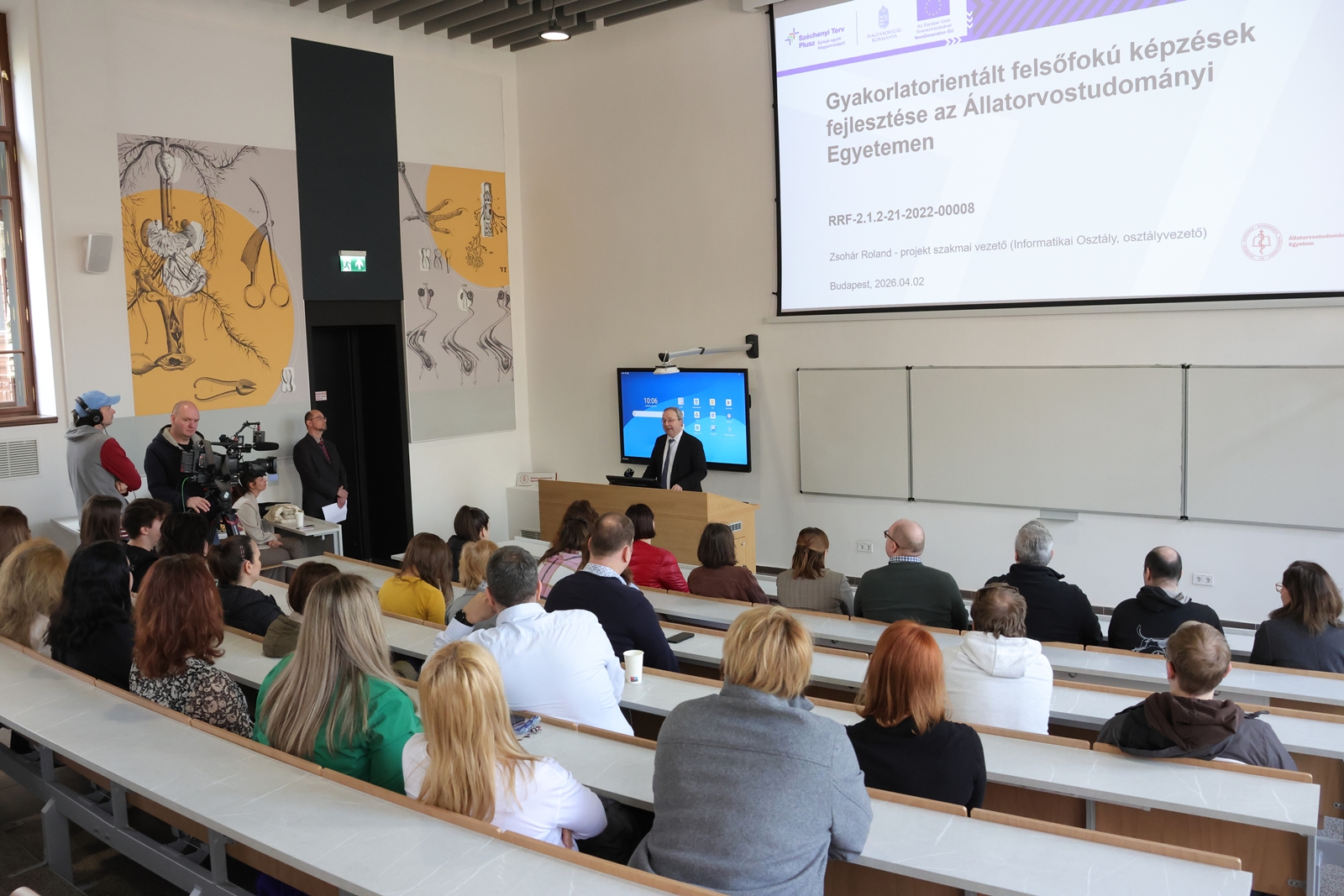
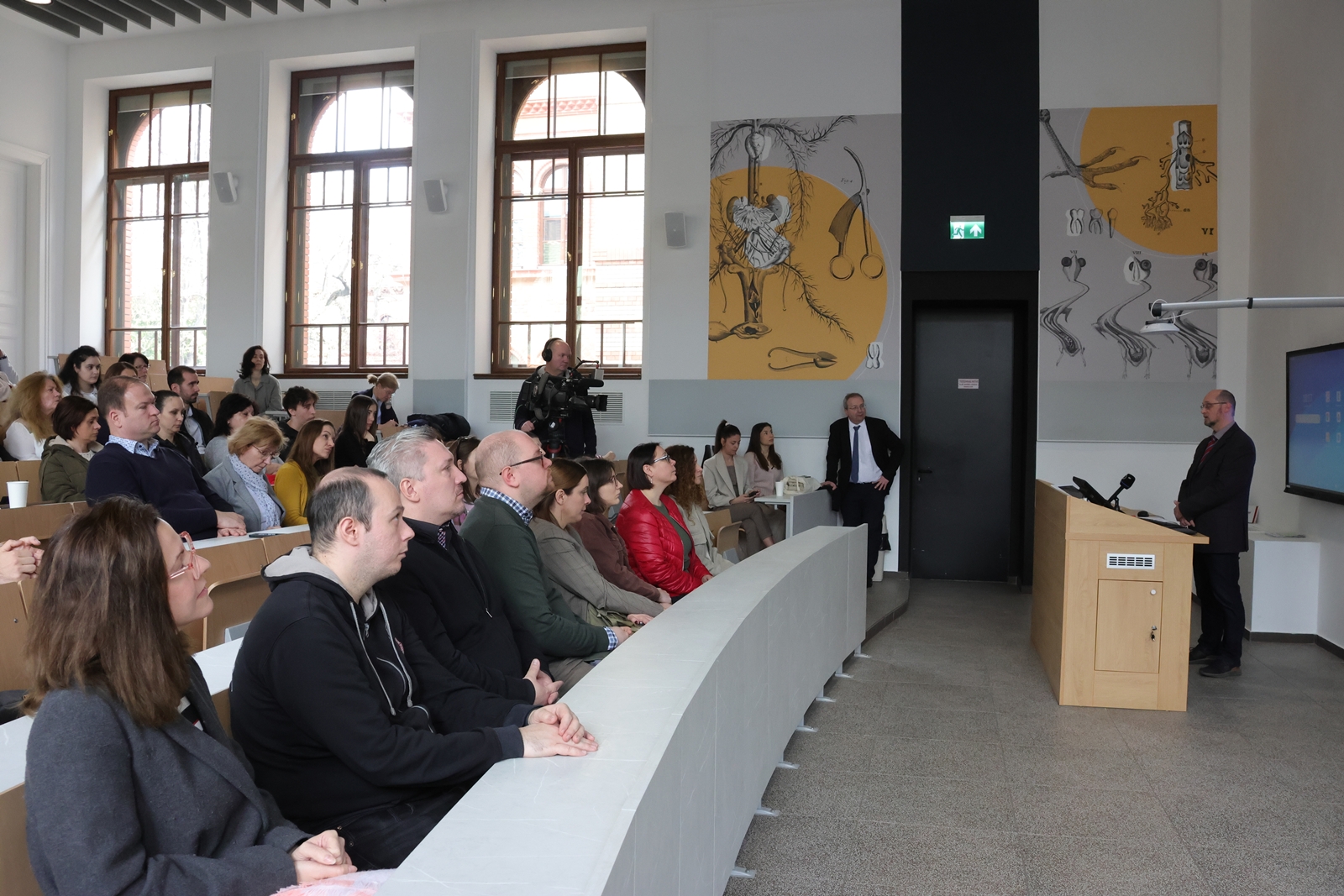
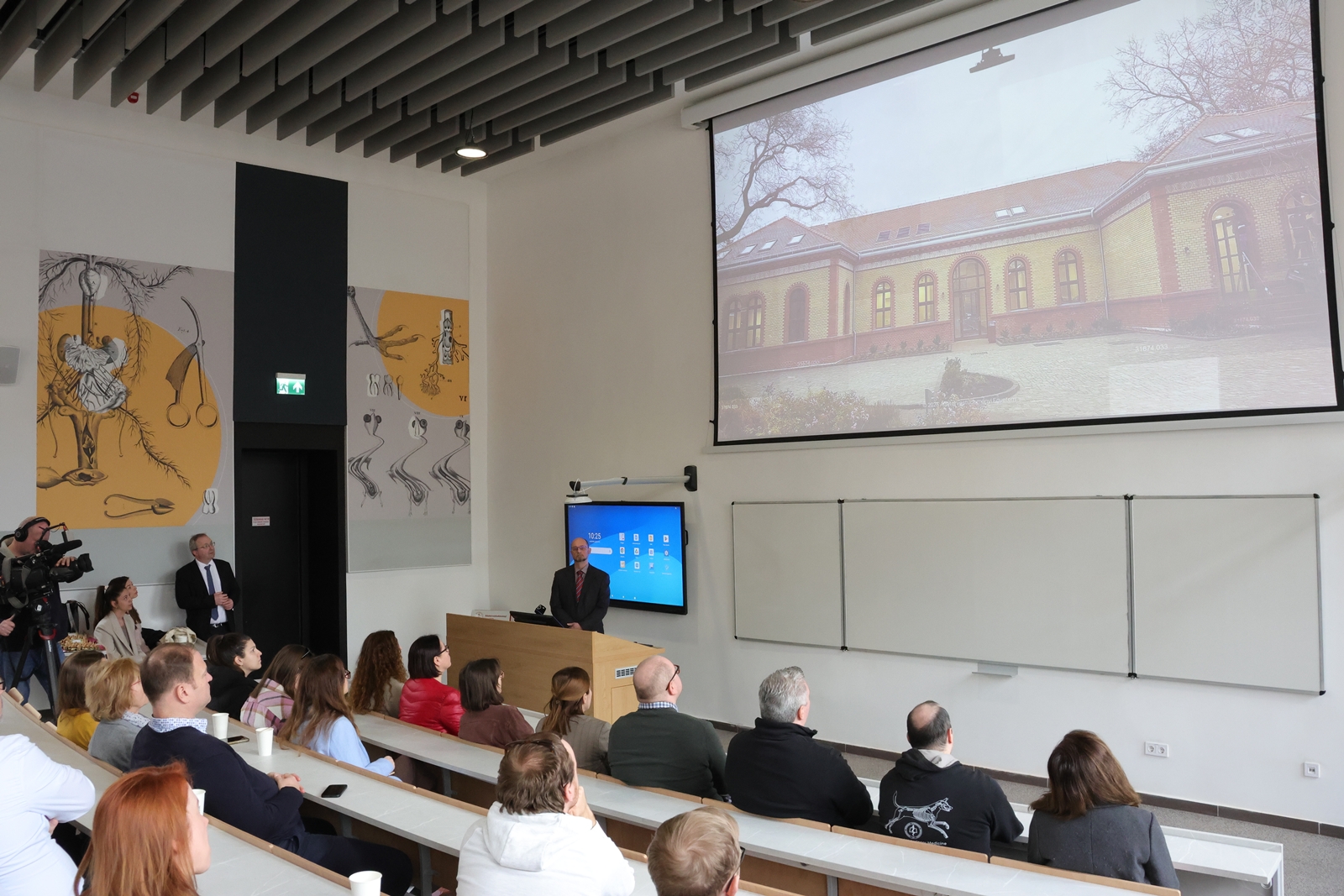
The University of Veterinary Medicine Budapest has demonstrated how a HUF 2.34 billion European Union development project is reshaping the training of future veterinarians.
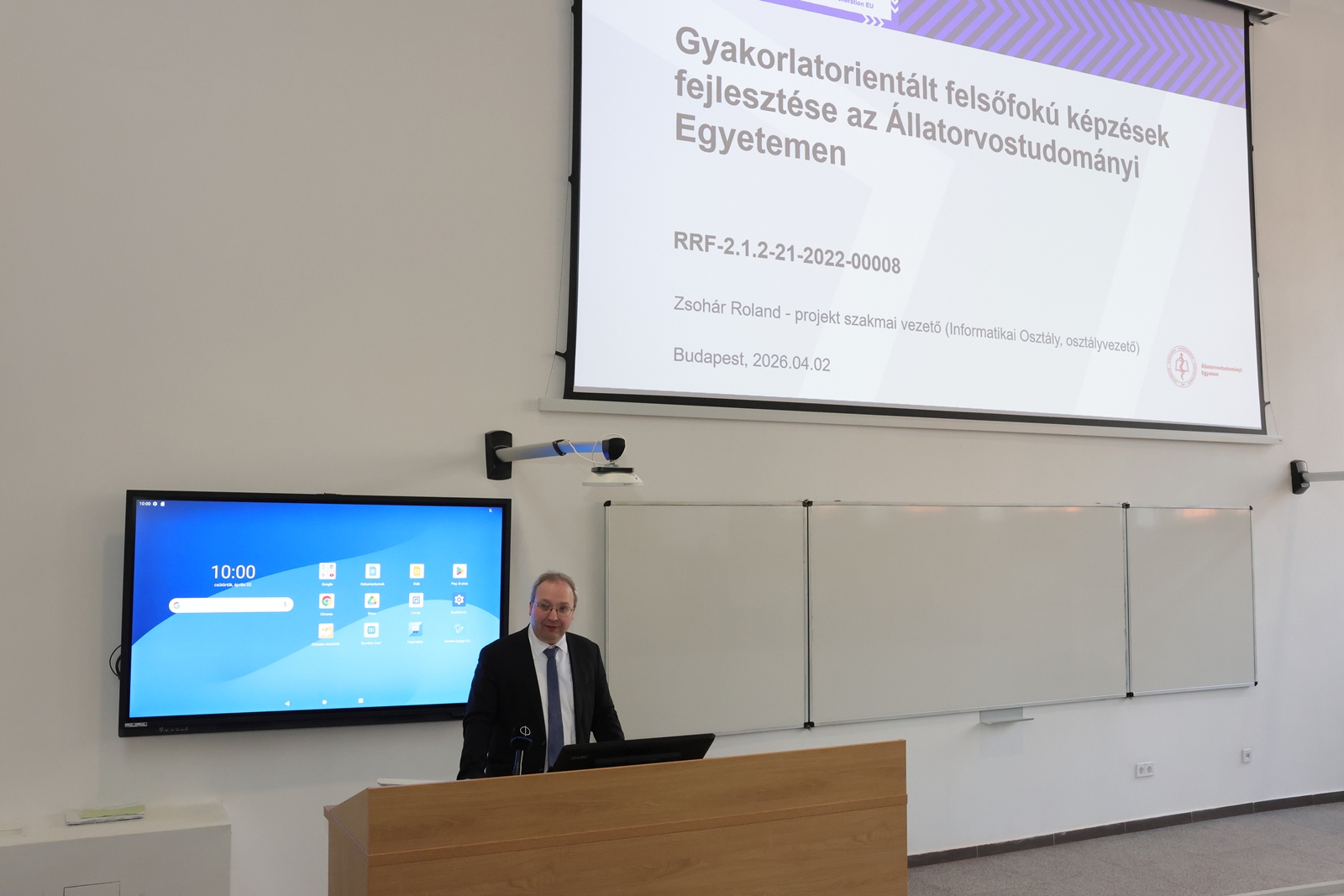
While much of Hungarian higher education is still exploring the path to digital transformation, the University of Veterinary Medicine Budapest has already taken decisive action: 45 smart classrooms, more than 3,400 new digital devices, and a trilingual (Hungarian, English, German) training program, this is the outcome of the project titled “Development of practice-oriented higher education at the University of Veterinary Medicine Budapest” (RRF-2.1.2-21-2022-00008).
A key differentiator of the development is its broad institutional impact. Within the framework of the program, a total of 1,806 participants – including researchers, academic staff, and administrative employees – acquired new digital competencies. The internal online training alone consisted of 12 modules, with 11 types of courses delivered in three different languages.
In his welcome speech, Prof. Dr. László Ózsvári, Vice-Rector for Education at the University, emphasised: “The development of digital skills has provided not only students but also academic staff with new knowledge that can be directly applied in everyday teaching.” He added: “Based on feedback, students are more motivated, and learning outcomes have also improved.”
Beyond establishing a modern digital infrastructure, the project enhanced the institution’s competitiveness through education-supporting system developments and training programs aimed at improving digital competencies. It has also strengthened digital education and service capacities, contributing to equal access to high-quality education. The project, running until April 30, 2026, is being implemented within the framework of Hungary’s Recovery and Resilience Plan.