
Latest scientific results from our students
 | Heartworm and subcutaneous dirofilariosis caused by the nematodes Dirofilaria immitis and Dirofilaria repens are increasingly common in dogs and, although rarely, may also pose a risk to humans. Early and accurate diagnosis is essential for effective treatment and for limiting the spread of infection. However, the laboratory diagnostic methods currently in use are generally time-consuming, costly, and require specialized equipment. During her research, Zsófia Bujtor, a PhD student in the Department of Animal Breeding and Genetics, developed two novel, rapid, and easy-to-use genetic diagnostic methods that enable detection of these parasites directly from small volumes of canine blood. The assays are based on LAMP technology (loop-mediated isothermal amplification) and allow the specific identification of Dirofilaria immitis and Dirofilaria repens in parallel, using separate reactions. An additional advantage of the method is that the conventional DNA purification step can be omitted, as direct amplification enables the detection of pathogen DNA with minimal laboratory equipment. Based on her results, the LAMP technique is capable of reliably detecting pathogens within one hour using simple instrumentation, and is also suitable for direct DNA detection from whole blood. However, at present, its sensitivity remains somewhat lower than that of conventional diagnostic methods. According to the group’s findings to date, this approach has the potential to provide a rapid, simple, and portable alternative for veterinary diagnostics in the future, making it applicable in veterinary clinics or under field conditions, and significantly accelerating diagnosis, thereby contributing to more effective disease control. Bujtor et al. (2026) Rapid Point-of-Care Detection of Dirofilaria immitis and Dirofilaria repens in Canine Blood Using Two Direct Closed-Tube LAMP Assays, Animals 2026, 16(12), 1820. |
 | Mátyás Kapiller, a PhD student of the Department of Anatomy and Histology at the University of Veterinary Medicine Budapest, has recently published a research article in the international journal Brain Structure and Function. The study investigates how dietary fructose influences the fine structure of synapses in the hippocampus, a brain region crucial for learning and memory. Using quantitative electron microscopy, the authors show that short-term fructose intake causes subtle but measurable changes in dendritic spine morphology in the CA1 region, specifically affecting spine size and shape, while leaving overall synapse density and organization largely unchanged. These findings are important because they demonstrate that even moderate dietary interventions can induce specific structural changes at the synaptic level without overt metabolic disruption. The results also highlight that the neural effects of fructose strongly depend on the dietary and metabolic context, contributing to a more nuanced understanding of how nutrition influences brain function. Kapiller, M., Marcello, G.M., Hazai, D. et al. (2026) Selective alterations in CA1 spine morphology following dietary fructose intake. Brain Struct Funct 231, 59 (2026). |
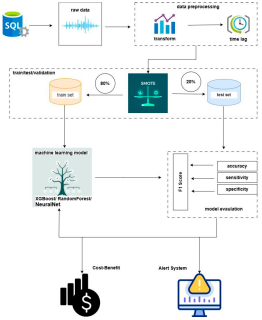 | A new study by PhD student Szilveszter Csorba in the Department of Digital Food Science presents an artificial intelligence–based approach to predict mortality risk in rabbit production. Such losses represent a significant economic challenge, making early detection crucial. The researchers analyzed data from 11 rabbit farms in Hungary, including variables such as animal age, weight gain, and deviation from optimal growth. Based on these data, they developed a machine learning model (XGBoost) capable of predicting whether mortality risk is likely to increase within a given group of animals over the following weeks. The model successfully identifies most high-risk cases, though it also generates a relatively high number of false alerts, a natural consequence of early warning systems. The system is built around an alert mechanism: when the predicted risk exceeds a predefined threshold, it sends a notification to the farmer. This allows for timely intervention, such as inspecting the animals or adjusting housing and feeding conditions. The study confirmed that a decline in weight gain often precedes an increase in mortality, making it a valuable early indicator. As part of the research, a cost–benefit analysis was also conducted. This involved comparing the costs of interventions triggered by alerts with the financial benefits resulting from reduced mortality. The results showed that the economic advantage of the system strongly depends on the effectiveness of the interventions. If interventions are only minimally effective, the system may even lead to losses. However, under moderate or high effectiveness, it can yield positive economic outcomes. Overall, the approach represents a promising decision-support tool, but its practical value depends on how effectively farmers respond to alerts. Therefore, further validation under real farm conditions is necessary. Csorba, S., Országh, E., Józwiák, Á., Német, Z., Süth, M., Zentai, A., & Farkas, Z. (2026). AI-Based Predictive Modelling and Alert Framework for Mortality Risk and Cost–Benefit Analysis in Rabbit Production. Veterinary Sciences, 13(4), 377. |
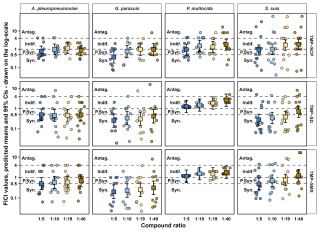 | Patrik Mag, PhD student at the Department of Pharmacology and Toxicology, investigated how the ratio of trimethoprim and different sulfonamides influences the combined antibacterial efficacy of these antibiotics against major porcine respiratory pathogens. The study focused on four clinically relevant bacterial species and systematically determined, under in vitro conditions, the concentrations at which the individual agents and their combinations inhibited bacterial growth. Beyond measuring antimicrobial activity, the research also evaluated the nature of the interaction between trimethoprim and sulfonamides, assessing whether their combined action was synergistic, indifferent, or antagonistic. The results demonstrated that the effectiveness of the combination strongly depended on the ratio of the two components. In most cases, a 1:5 ratio (trimethoprim:sulfonamide) produced the strongest and most consistent synergistic effect. Increasing the proportion of sulfonamide (e.g., 1:19 or 1:40) generally reduced synergy and, in some cases, resulted in antagonistic interactions. Only minor differences were observed among the various sulfonamides tested, although sulfachloropyridazine showed superior activity against certain pathogens. Importantly, the study revealed that identical MIC values do not necessarily predict similar interaction profiles, indicating that the combined effect of antibiotics cannot be reliably inferred from individual susceptibility data alone. Overall, this work highlights that the efficacy of antibiotic combinations is not fixed but depends on both the component ratio and the target pathogen. These findings emphasize the importance of ratio‑dependent evaluation of antimicrobial combinations to support more effective and rational antibiotic use in veterinary medicine. Mag P. et al. (2026) Comparative evaluation of trimethoprim–sulfonamide ratios and synergistic interactions against porcine respiratory pathogens.Frontiers in Veterinary Science, Vol. 13, 10 April 2026. |
 | This study presents research conducted by Péter Dobra, PhD student at the Department of Pathology, University of Veterinary Medicine Budapest, focusing on transmissible viral proventriculitis (TVP) in poultry. TVP is an emerging disease affecting young chickens and is associated with growth retardation and characteristic lesions of the proventriculus. Two poultry flocks in Bangladesh showing clinical signs suspicious for TVP were investigated using histopathology and molecular diagnostic methods. These analyses confirmed proventriculitis and detected chicken proventricular necrosis virus (CPNV), the pathogen most strongly linked to the disease. This work provides the first molecular evidence of CPNV‑associated TVP in Bangladesh and underlines the importance of further surveillance to better understand the regional spread and impact of this emerging poultry disease. Dobra P. F., Igriczi B., Schönhardt K., Dénes L., Kőrösi L., Parvin R., Hasan R., Mándoki M. (2026). First Report and Molecular Confirmation of Chicken Proventricular Necrosis Virus Associated with Transmissible Viral Proventriculitis in Bangladesh. Animals, 16(5), 789 |
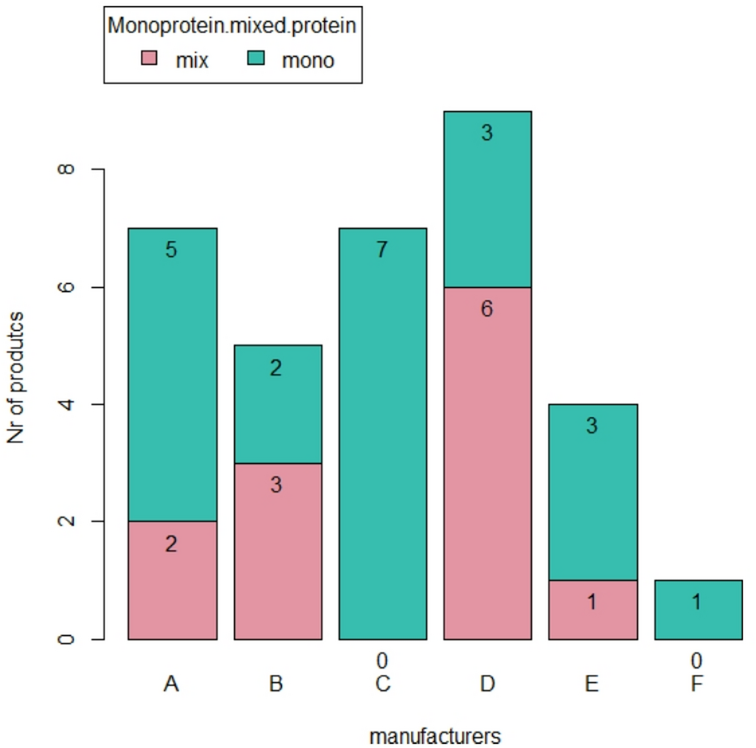 | Letícia Moravszki, PhD student at the Department of Animal Nutrition and Clinical Dietetics, investigated commercially available preprepared raw dog foods marketed as complete diets in Hungary. These products are widely used by dog owners seeking a more natural feeding approach. In the study, 33 raw dog foods were analysed for macro‑ and trace mineral content and potential heavy metal contamination. None of the products met all minimum mineral requirements defined by FEDIAF. Selenium levels were insufficient in all samples, elevated lead concentrations were detected in two products, and several other essential minerals frequently occurred in inadequate or excessive amounts. The findings underline the need for improved quality control and regulatory oversight to ensure the nutritional safety of preprepared raw diets for dogs. Moravszki L.*, Krizsán J., Freiler‑Nagy Á., Berlinger B., Elek Z., Wagenhoffer Zs., Kutasi O. (2025). Assessment of mineral adequacy in preprepared raw dog foods labeled as complete. Scientific Reports, 15, 43447. |
| Doctoral students Zsóka Várhidi and Marietta Máté, along with their co-authors, conducted a study on the current management characteristics and future plans of equine veterinary practices in Hungary. The findings reveal that these practices are typically run by a single veterinarian who provides services at the horse’s location and works almost exclusively with horses. Most practice leaders have completed at least one specialized postgraduate course, and many are currently pursuing further education, indicating a strong commitment to continuous professional development. Equine veterinary medicine is a field that requires significant investment, involves irregular working hours, long travel distances, and is both physically and mentally demanding. Therefore, effective practice management, achieving work-life balance, and developing long-term business goals are essential for sustainability. The study shows that Hungarian equine veterinarians are open to development, but there is considerable room for improvement in entrepreneurial knowledge and management strategies. M. Varga, M. Máté, K. Bárdos, Zs. Várhidi (2025). A magyarországi lovas állatorvosi praxisok aktuális menedzsmentjellemzői. Magyar Állatorvosok Lapja (147) 295-308 https://huveta.hu/handle/10832/4376 |
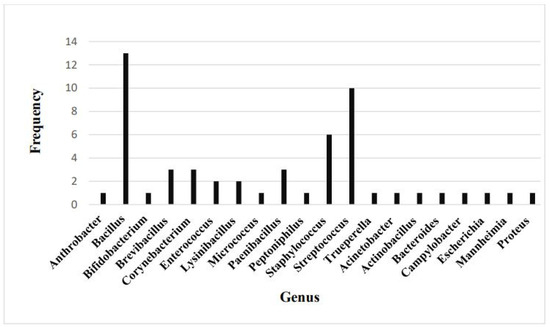 | To ensure reproductive health and disease prevention in dairy cows, understanding the normal bacterial flora of the vaginal tract is essential. In their study, Zsóka Várhidi and colleagues identified bacterial species naturally present in the vaginas of healthy dairy cows and assessed their sensitivity to commonly used antibiotics. A total of 54 bacterial species were identified. While some species carried resistance genes, most remained sensitive to a wide range of antibiotics. These findings support the development of protocols aimed at maintaining a balanced vaginal microbiota and promoting responsible antibiotic use in dairy cattle farming. Zs. Várhidi , V. Jurkovich, P. Sátorhelyi, B.Erdélyi, O. Palócz, Gy. Csikó, Identification of Naturally Occurring Inhabitants of Vaginal Microbiota in Cows and Determination of Their Antibiotic Sensitivity Veterinary Sciences, 2025, 12, 423 |
 | The study by Rege Anna Márton investigated the effects of the antimicrobial peptide (AMP) Pap12-6 on immune response and epithelial integrity in chicken-derived ileal explant cultures. AMPs are promising alternatives in the fight against antimicrobial resistance, as they not only exhibit direct antimicrobial activity but also modulate host immune responses. Pap12-6 was applied at 25 and 50 µg/ml concentrations, both alone and in an inflammatory environment induced by Poly I:C. The peptide did not reduce cell viability, indicating its safe application. Immunologically, Pap12-6 increased IL-2 and IL-8 levels and reduced IFN-γ production under inflammatory conditions. Regarding epithelial integrity, expression of tight junction proteins occludin and claudin-3 was enhanced. Overall, Pap12-6 had a positive influence on intestinal immune status and epithelial structure, making it a promising candidate for future poultry health applications. Poultry Science Volume 104, Issue 8, August 2025, 105376 |
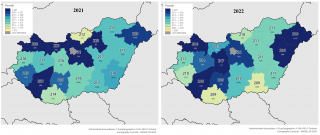 Dr. Máté Farkas, PhD student at the Institute of Food Chain Science, conducted an epidemiological assessment of large-scale poultry farms in Hungary, focusing on the relationship between avian influenza outbreaks with zoonotic potential and disease control measures. The research revealed that the biosecurity level directly impacts the frequency of avian influenza outbreaks. Farms with better disease control practices are less likely to be affected by outbreaks. Regular auditing not only helps to improve the current disease control situation but also shapes farmers’ attitudes toward disease control. M. Farkas, L. Könyves, Sz. Csorba, Zs. Farkas, Á. Józwiák, M. Süth, L. Kovács, Magyar Állatorvosok Lapja 2024 (12) 723-742