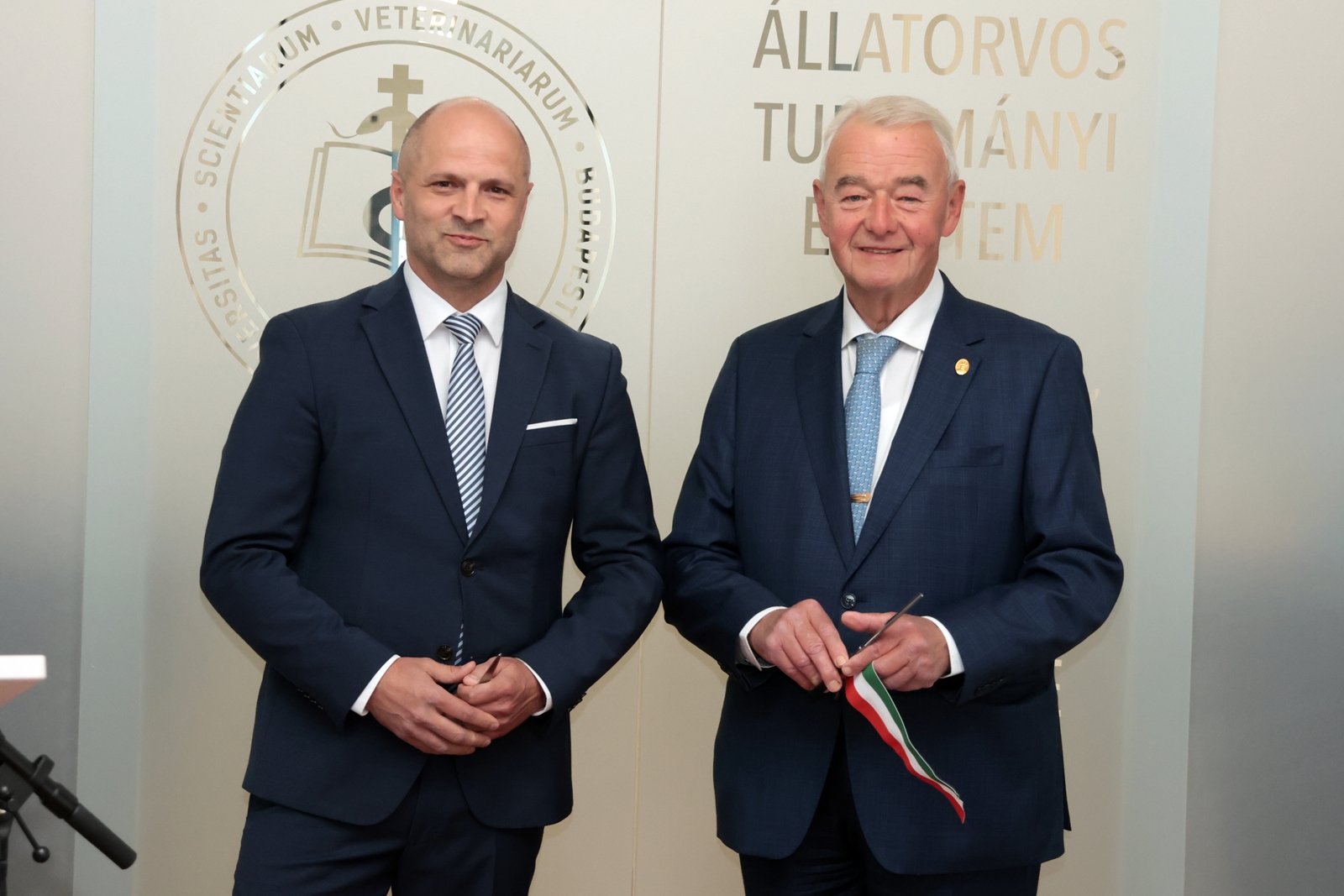
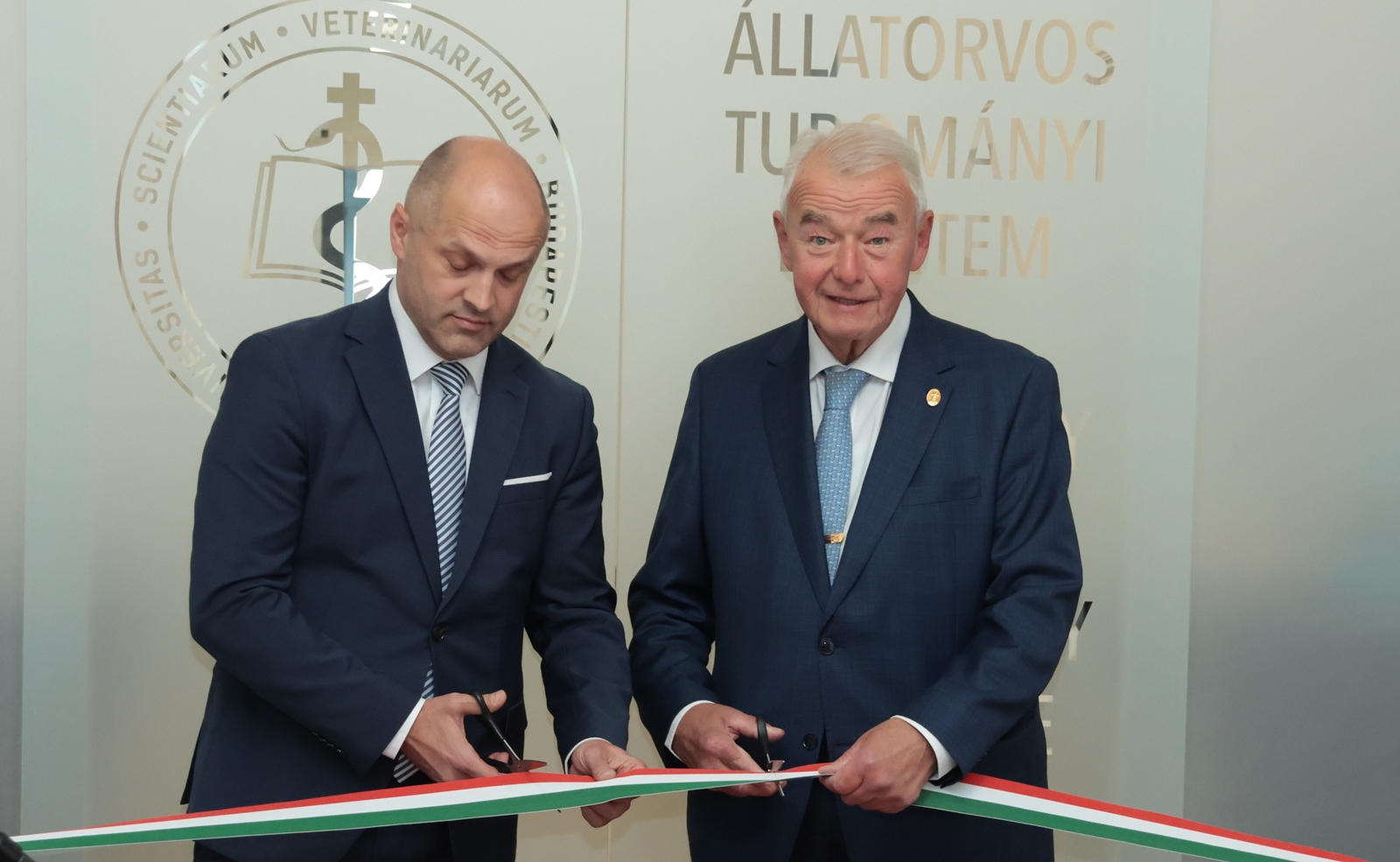
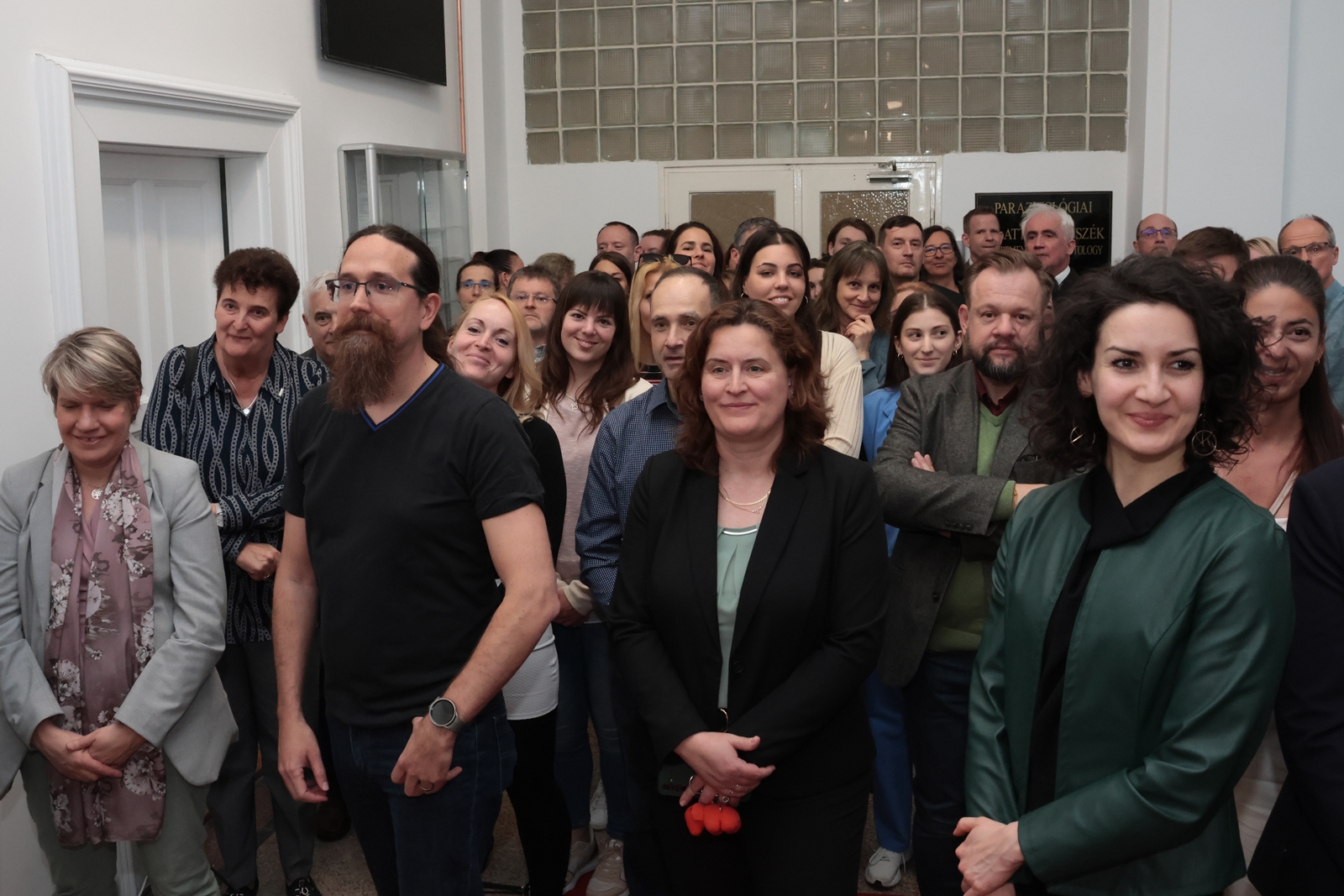
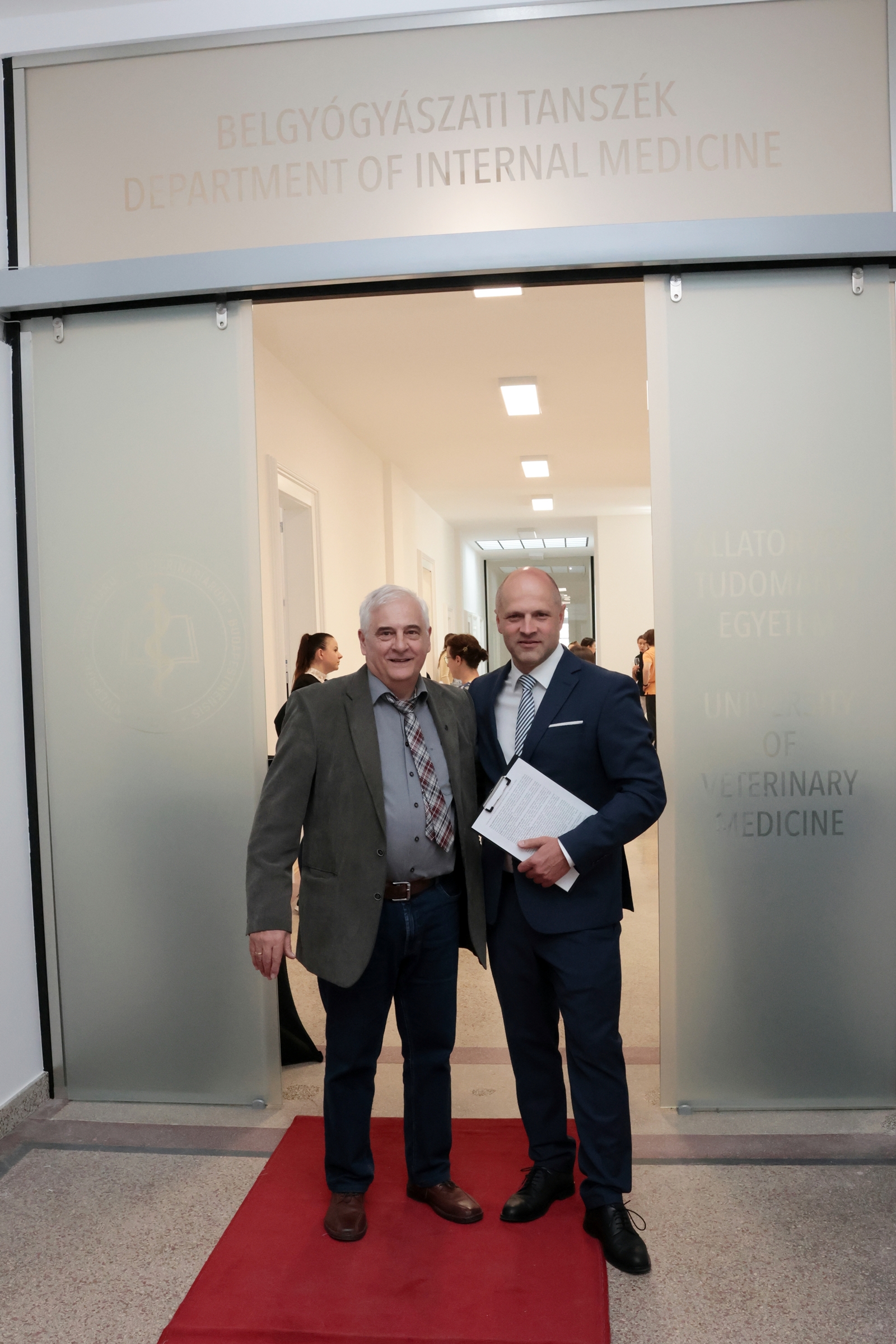
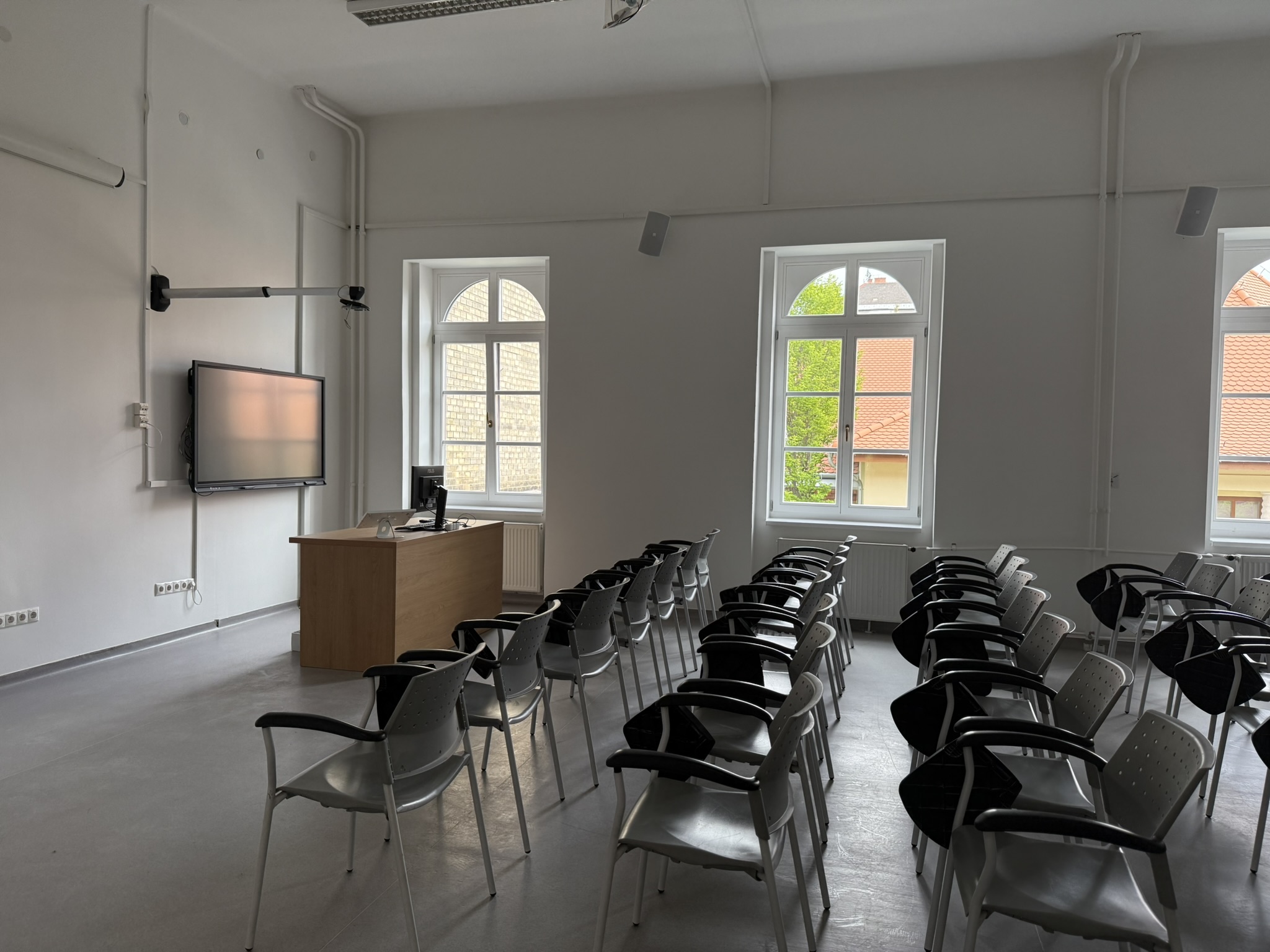
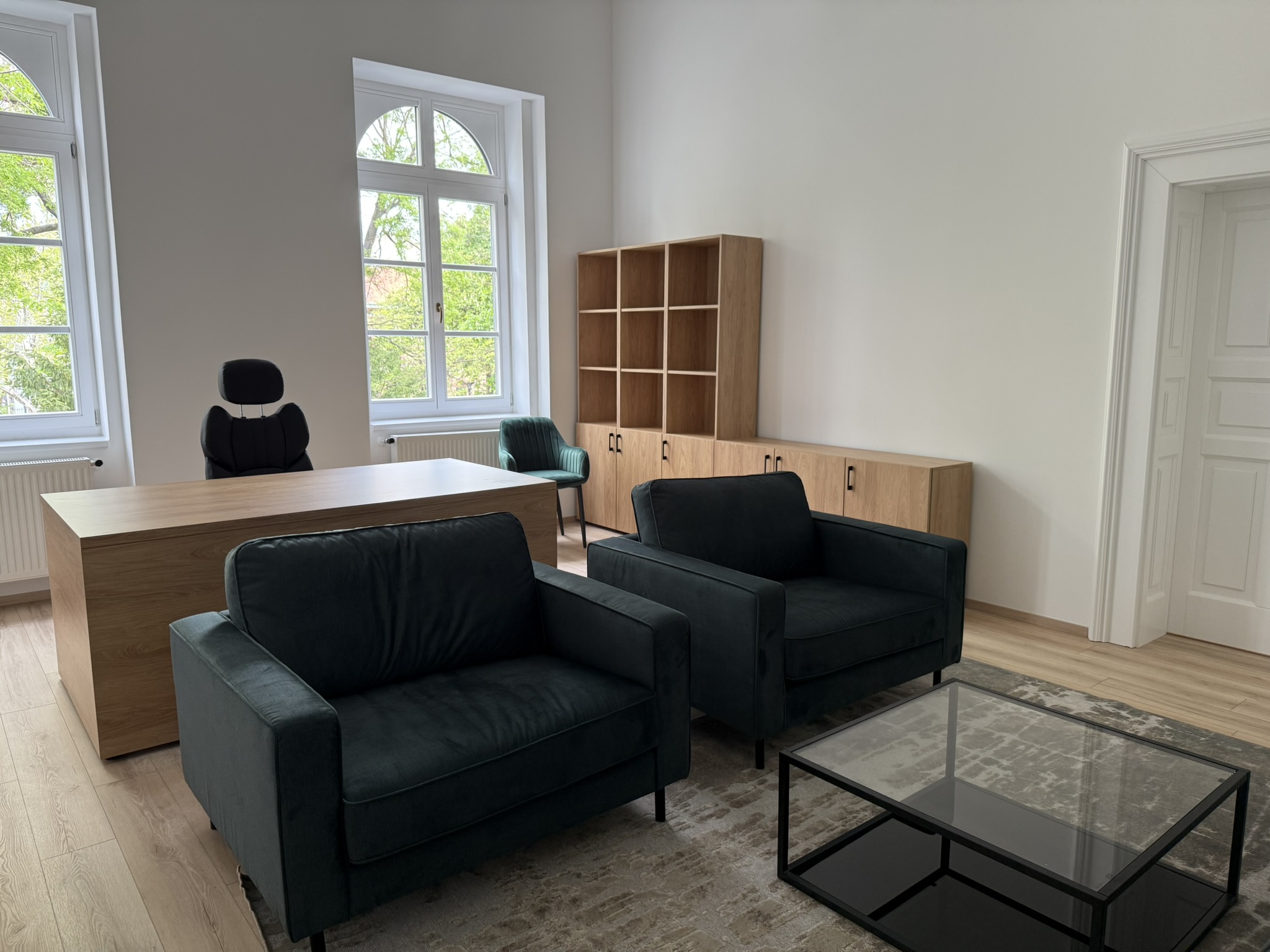
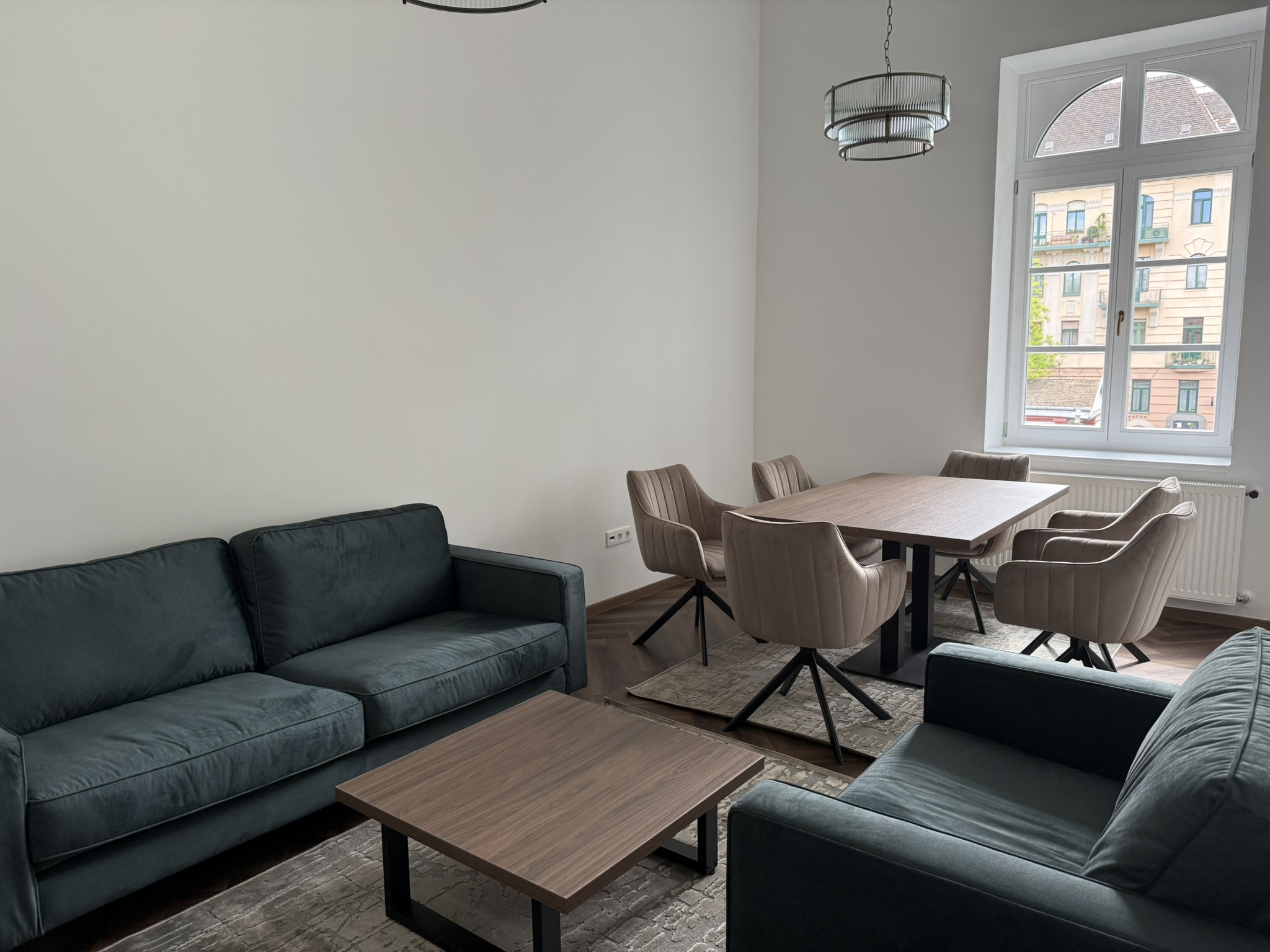
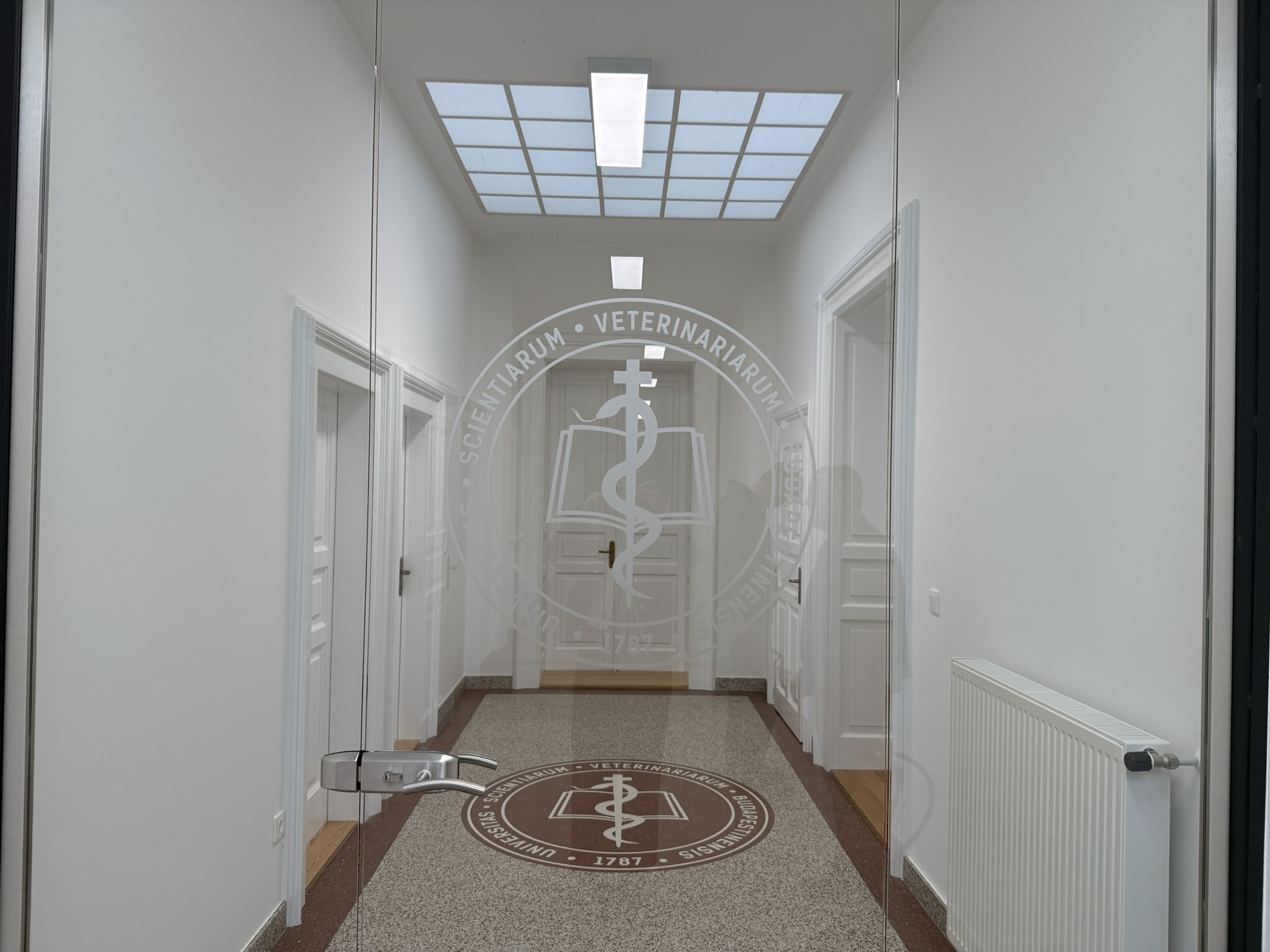
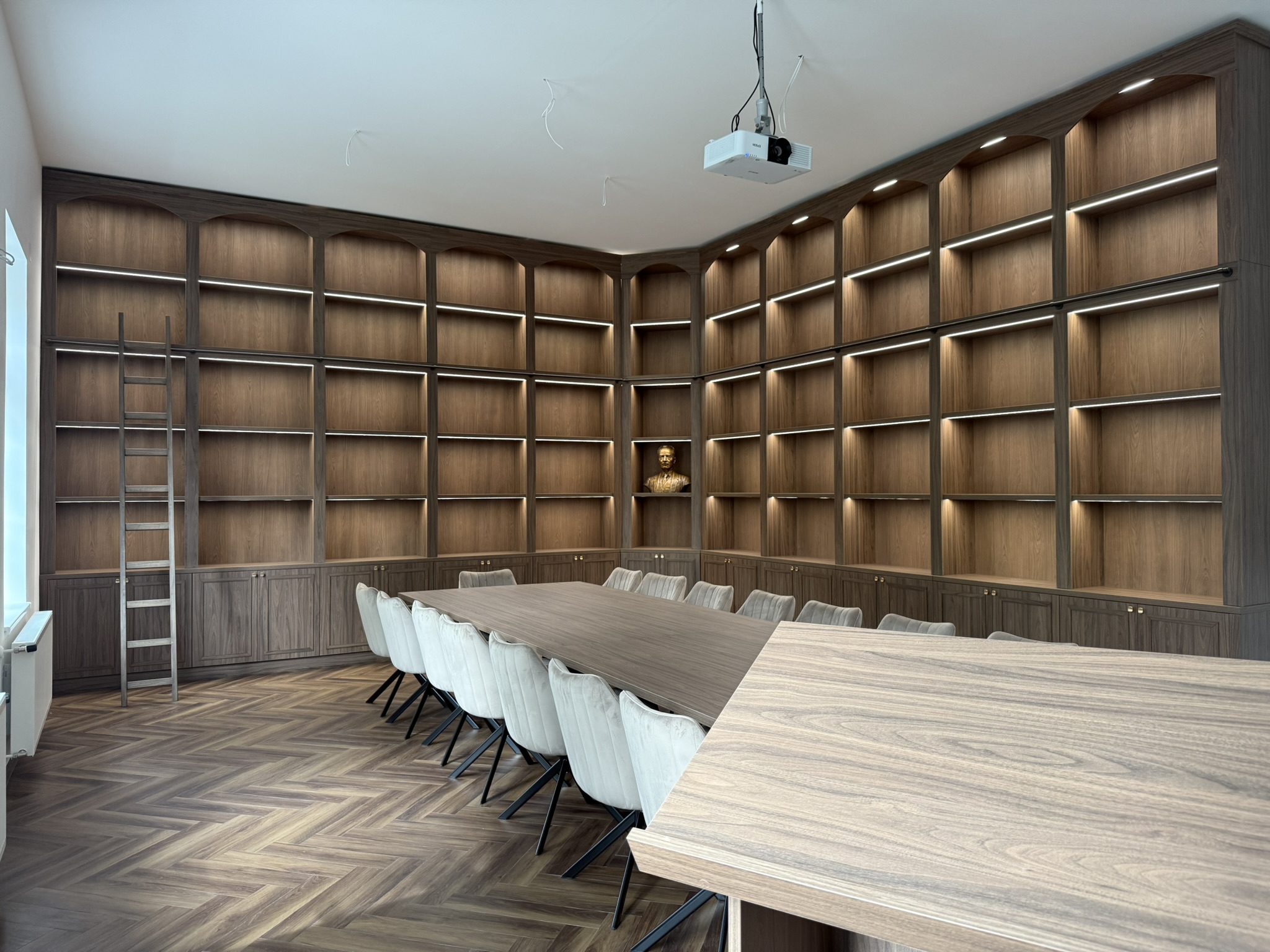
While it is not easy to rank the importance of buildings on campus, one thing is clear: since its establishment, the “Building A” complex on the István Street campus has been the primary site where the largest number of animals have been treated by veterinarians and their teams. For this reason, the inauguration of the fully renovated Department of Internal Medicine on April 22 was described as a milestone in the institution’s renewal by Rector Péter Sótonyi.
Highlighting the department’s significance in animal healthcare, the Rector noted that statues of several of its former leading professors stand in the park — a testament to their enduring legacy.
He began the historical overview with Vilmos Zlamál, who taught internal medicine for five hours a week alongside clinical practice sessions. Márton Galambos lectured on nine different subjects. Béla Tormay played a key role in reorganising veterinary public health in Hungary. Ákos Azary was the first to apply modern diagnostic methods in internal medicine. He was followed by one of the university’s most prominent figures, long-serving rector Ferenc Hutyra. With the arrival of József Marek, the department became an independent unit. His work was continued by János Mócsi. More recent generations include Zoltán Horváth and Ferenc Karsai, followed by Károly Vörös, Ferenc Manczúr, and the current head of department, Roland Psáder.
The Department of Internal Medicine is an emblematic location; understanding its history is essential to appreciating the legacy on which current work in healing, teaching, and research is built. The Rector also emphasised the importance of making students aware that they are studying in architecturally and historically remarkable buildings.
He expressed his thanks to the contractor, Tand-Bau, and highlighted the contributions of former Chief Financial Officer Bernadett Bendik and current Financial Director Xénia Penz.
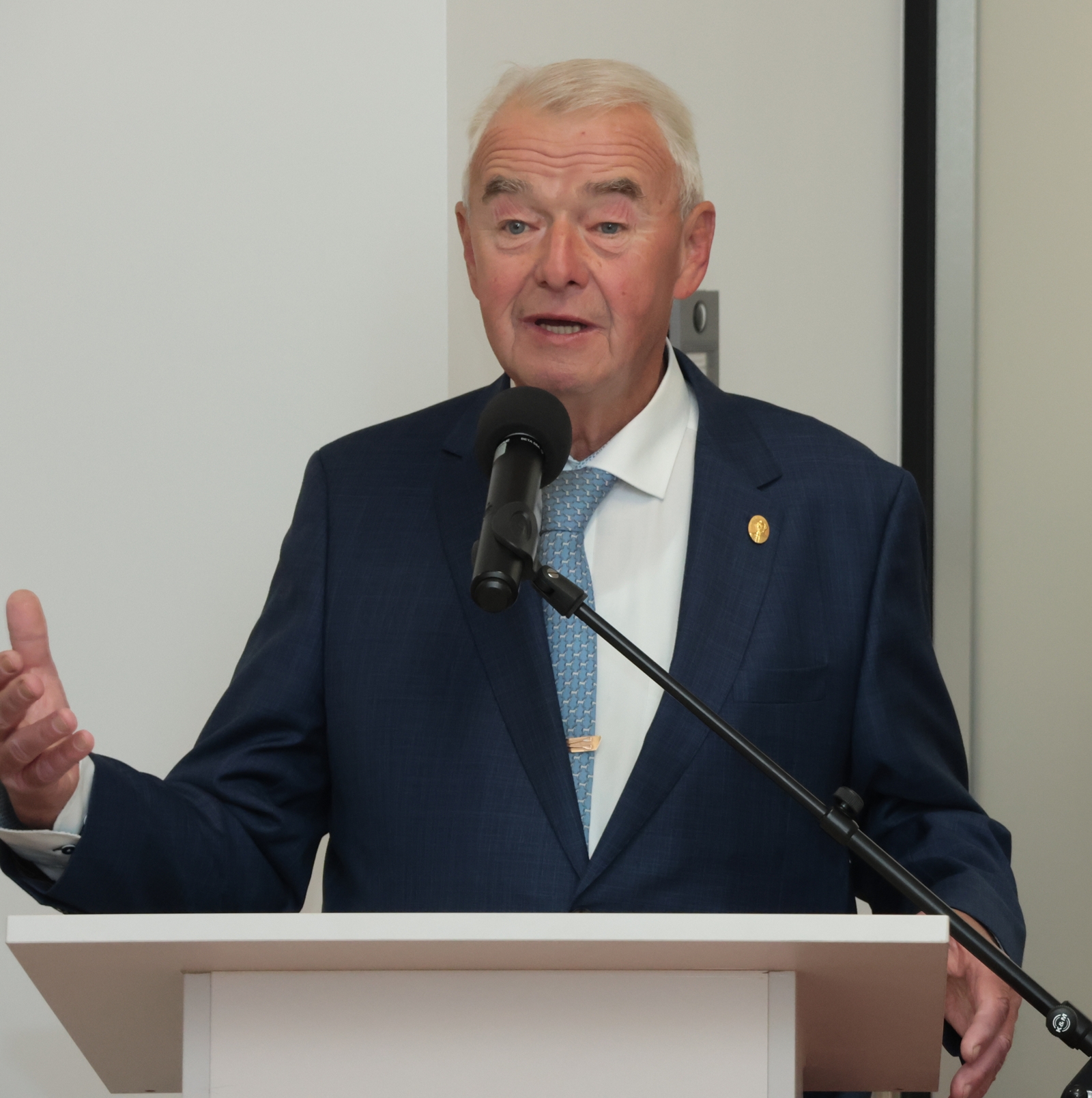
Dr Roland Psáder, Head of the Department of Internal Medicine, described it as a great honour to speak at the handover ceremony. He expressed sincere gratitude to the university leadership for enabling the department’s comprehensive renovation. He emphasised that this decision goes beyond infrastructure development—it is a clear sign of trust in the department’s work and future. The upgrade provides a foundation for carrying out daily activities in an environment that meets contemporary standards.
The Head of Department also thanked all those involved in planning, procurement, and construction, specifically acknowledging the support of Gábor Kovács, Head of the Technical and Operations Department. Without their coordinated efforts — often carried out behind the scenes — this project could not have been realised at such a high standard.
He concluded by expressing appreciation to his colleagues, who balance clinical care, teaching, and research under significant workload pressures every day of the year. The renovation also stands as recognition of their dedication, providing a working environment worthy of their commitment.